How to Finance Heavy-Duty Lift Equipment in 2026
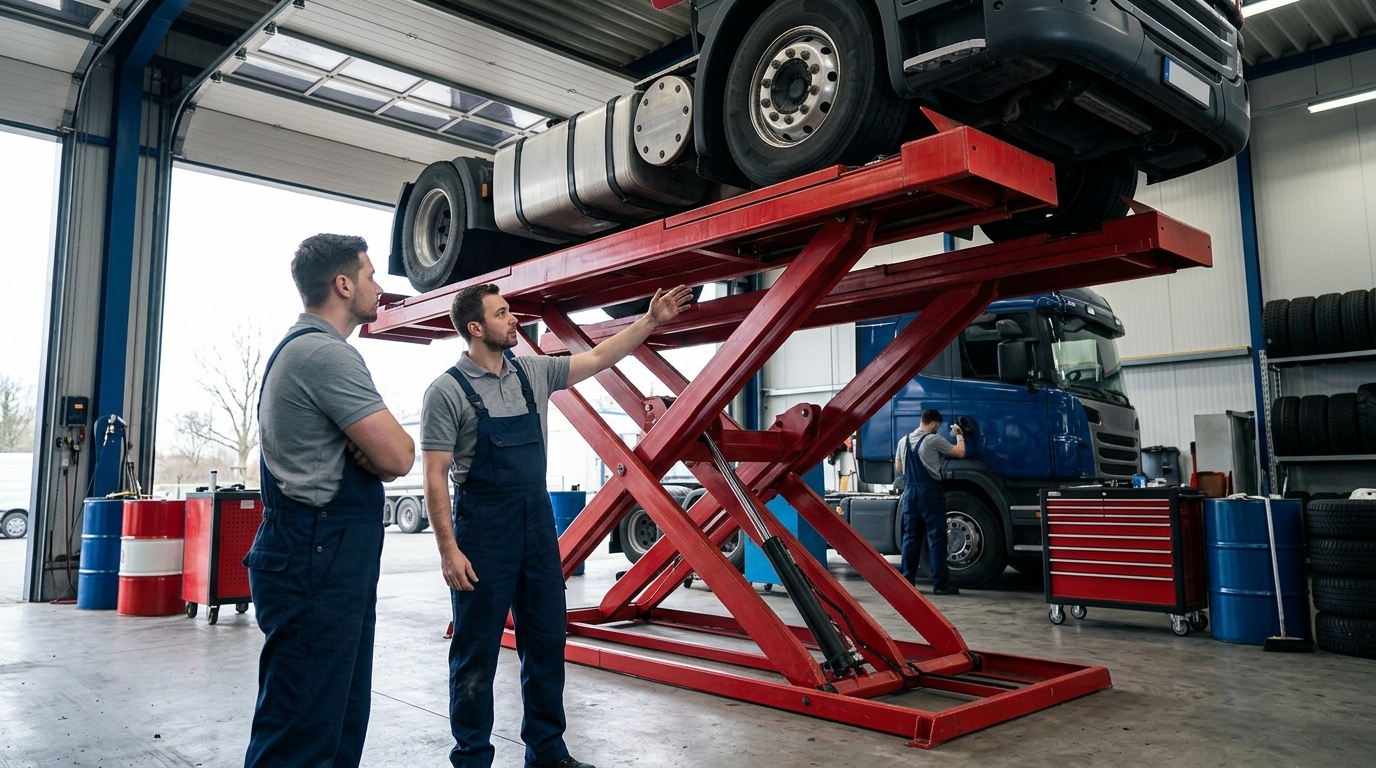
How can I secure financing for heavy-duty lift equipment in 2026?
You can secure heavy-duty lift equipment financing by providing your last three months of bank statements and a recent equipment invoice to a specialized automotive lender. Check your rates and see if you qualify for funding today. In the current 2026 market, the process has become significantly streamlined for independent shop owners. The barrier to entry for securing capital for fixed assets has lowered compared to previous fiscal years, provided your paperwork is organized. When you approach a lender for a heavy-duty lift—which can easily cost between $15,000 and $50,000 including installation—the lender focuses primarily on the value of the asset. Because the equipment is self-collateralizing, approval speeds are often faster than those for unsecured working capital lines. You should anticipate a turnaround time of 48 to 72 hours for approval, provided you have a valid invoice from a reputable vendor. Do not settle for the first quote you receive; the landscape of mechanic business loan rates in 2026 is highly competitive, and shop owners who compare terms from at least three different lenders typically secure lower APRs and longer repayment windows.
How to qualify
- Verify your credit score and history: Most dedicated equipment lenders are willing to look past a lower personal FICO score if the business revenue is stable. While a 650 score is the sweet spot for traditional rates, many lenders will work with scores as low as 550 for equipment-specific loans because they can seize the equipment if you default.
- Organize your financial documentation: You must have your last three to six months of business bank statements readily available. Lenders want to see consistent cash flow that supports the monthly payment of the new equipment. Ensure your business tax returns for the previous year are filed and accessible.
- Select your equipment and get a formal quote: Do not estimate your costs. You need a formal invoice from your dealer that breaks down the price of the lift, shipping, and the mandatory professional installation. Lenders often refuse to fund 'ballpark' figures.
- Confirm time-in-operation requirements: Most lenders require at least one to two years of active business registration. If you are a startup, expect to provide a higher down payment or a personal guarantee.
- Submit a comprehensive application package: Never send a partial file. Bundle your bank statements, equipment quote, and a brief summary of how this new lift will increase your shop's revenue. This professional touch often separates those who get approved from those who languish in underwriting.
Pros and Cons of Financing Heavy-Duty Lifts
When choosing between financing paths, shop owners must weigh the immediate impact on cash flow versus the long-term interest burden.
Pros
- Preserve Cash Flow: By financing, you keep your liquid reserves for payroll, marketing, and unexpected repairs, rather than sinking $30,000 into a depreciating asset at once.
- Tax Advantages: Under Section 179 for 2026, you can often deduct the full purchase price of the lift from your gross income, potentially saving thousands on your tax bill.
- Rapid Revenue Growth: Adding a heavy-duty lift allows your shop to accept larger vehicles, such as ambulances, delivery trucks, or fleet vans, which carry higher labor rates than standard sedans.
Cons
- Interest Costs: You will inevitably pay more than the sticker price of the lift. A 24-month loan can add 10-15% to the total cost depending on your credit profile.
- Collateral Exposure: Because the lift is the collateral, missing payments means the lender has the right to remove it from your facility, effectively halting your ability to perform repairs.
- Personal Guarantee: Almost all lenders will require you to sign a personal guarantee, which means your personal assets are on the line if the business fails to meet its obligations.
What are the current mechanic business loan rates in 2026?: Interest rates for equipment-specific loans currently hover between 7% and 18% for most independent shop owners, though SBA-backed loans can drop below 7% for those with excellent credit and detailed business plans.
Do I need a down payment for diagnostic scanner financing options?: Most specialized lenders in 2026 allow for $0 down or a small 'first and last' payment structure, effectively financing 100% of the diagnostic tool cost to ensure your shop stays updated with current OBD-II and heavy-duty computer systems.
Can I use shop expansion loans for mechanics to cover installation costs?: Yes, many lenders now offer 'all-in' financing packages that bundle the heavy-duty lift, shipping, rigging, and certified installation services into one monthly payment, preventing an out-of-pocket cash squeeze during your expansion phase.
Understanding the equipment financing landscape
Auto repair shop equipment financing 2026 has evolved to meet the demands of an industry rapidly transitioning toward electric fleet maintenance and heavy-duty vehicle repair. Independent shop owners are no longer just fixing consumer cars; they are maintaining the backbone of the local logistics economy. This transition requires significant capital investment, as older two-post lifts may not meet the safety requirements or weight capacity for modern heavy-duty electric trucks.
According to the SBA (https://www.sba.gov), small businesses in the professional, scientific, and technical services sector experienced a 4% increase in capital equipment investment as of 2026, signaling a strong demand for upgraded facilities. Furthermore, data from FRED (https://fred.stlouisfed.org) indicates that total business investment in industrial machinery continues to trend upward, reflecting a broader commitment to efficiency and technological modernization across the U.S. industrial base. This investment is not merely about staying current; it is about survival in a market where specialized repair capabilities command premium pricing. When evaluating the lease vs. buy auto shop equipment decision, remember that leasing offers superior flexibility for rapidly changing diagnostic tools, while buying provides the long-term equity needed for fixed assets like heavy-duty lifts. Using SBA loans for auto repair businesses remains a powerful strategy for major renovations, though the application process requires significant lead time and detailed financial projections. By understanding these mechanisms, you can build a more resilient and profitable shop.
Bottom line
Financing your next major equipment purchase in 2026 is a strategic move to secure your shop’s growth and expand your service capabilities. Evaluate your current cash reserves, compare multiple lenders, and leverage available tax incentives to ensure your investment pays off. Review your options and check your eligibility to take the next step toward a more efficient, high-revenue shop today.
Disclosures
This content is for educational purposes only and is not financial advice. mechanics.news may receive compensation from partner lenders, which may influence which products are featured. Rates, terms, and availability vary by lender and applicant qualifications.
Ready to check your rate?
Pre-qualifying takes 2 minutes and won't affect your credit score.
See if you qualify →Frequently asked questions
What is the best way to finance new shop equipment in 2026?
The best approach is to use dedicated equipment financing, which uses the equipment itself as collateral, often allowing for lower interest rates and faster approval times compared to general business loans.
Can I get equipment financing with bad credit?
Yes, many lenders specializing in automotive shop equipment prioritize the value of the equipment over the borrower's credit score, sometimes approving loans for scores as low as 550.
Is it better to lease or buy auto shop equipment?
Leasing is generally better for rapidly changing technology like diagnostic scanners, while buying is usually preferred for durable assets like heavy-duty lifts to build long-term equity.
Do I need a down payment for heavy-duty lift financing?
Many lenders in 2026 offer 100% financing for heavy-duty lifts, meaning you may not need a down payment if you meet the lender's credit and revenue qualifications.