July 16, 2026
The refrigerant in your A/C bay just landed on the watch list — don't panic-buy tooling
R-1234yf faces scrutiny (no deadline yet), the EV pullback pushes hybrid/ICE work back onto your lifts, and plateauing rates open your insurance rebid window.
Morning, boss. R-1234yf — the refrigerant you charge into most 2015-and-newer A/C jobs — is now the one regulators are watching, and every refrigerant switch so far has meant a fresh recovery/recharge machine — a real capital outlay each time. Today: what that scrutiny does to your A/C tooling plan, why the EV pullback pushes hybrid and ICE work back onto your lifts, how to re-audit your parts matrix while input costs ease, and what your garage keepers policy should actually cover before you rebid.
Quick Bites
- Compliance. Your EPA Section 608 handling certification is tied to the refrigerant type you work with. If the industry moves off R-1234yf, expect re-training — log each tech's cert type now so you're not scrambling later.
- Parts prices. Oil prices fell through June, easing pressure on petroleum-based consumables, plastics, and freight. That's your opening to renegotiate parts terms and lock supplier pricing before demand climbs into fall.
- Tool. HFO-compatible recovery/recharge machines were the R-1234yf upgrade — but they're single-refrigerant by design. Before buying a second unit, confirm it handles the blends you actually see roll into your bays.
- Operator tactic. Pull your ten highest-volume parts and check the margin on each. A flat markup quietly bleeds you on cheap parts and prices you out on expensive ones — the fix is a tiered matrix.
- Market signal. EV volume fell roughly 39% year-over-year in Q1, and available models keep shrinking. Translation: ICE and hybrid work stays your bread and butter longer than 2025 forecasts said.
📊 By the Numbers
Average age of vehicles in operation: 12.8 yrs · as of 2025 · S&P Global Mobility
New light-vehicle sales (SAAR): 16.5M SAAR (+4.4% YoY) ▇▇▇▄▄▅▁▄▆▅▅▇ · as of Jun 1, 2026 · FRED
Vehicle Miles Traveled (VMT): ~279.3B mi · as of Apr 2026 · FHWA via FRED
The refrigerant in your A/C bay just landed on the regulators' watch list
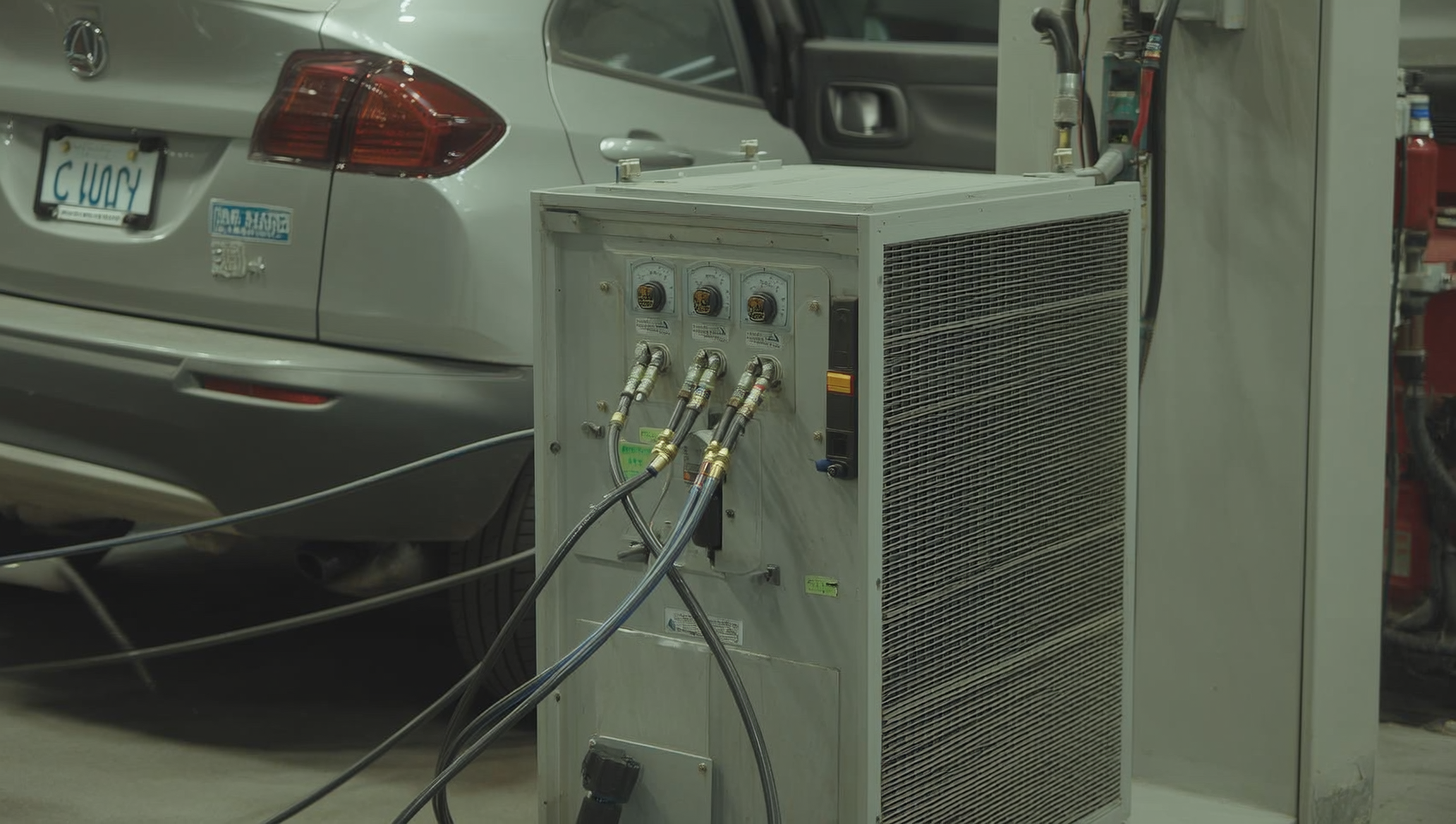
R-1234yf — the HFO refrigerant that replaced R-134a in most newer cars — is now facing environmental scrutiny of its own, and there's no firm EPA phase-out timeline yet.
Why it hits your bay margin:
- Tooling is refrigerant-specific. Your recovery/recharge machine is built around one refrigerant. R-12 to R-134a to R-1234yf — every past switch forced new equipment.
- Certification follows the refrigerant. Your EPA Section 608 handling cert is tied to type, so a transition would mean re-training and re-certifying techs.
- Don't panic-buy. Regulators are watching HFO compounds, but no deadline exists. Buying a "next-gen" machine ahead of an unwritten rule is capital parked in the corner.
💡 Why it matters: Every refrigerant transition runs the same script — new gas, new machine, new cert. You can't stop the cycle, but you can time it. Watch for a proposed EPA rule, not headlines, before you commit capital.
Bottom line: Keep your R-1234yf setup earning and build a tooling reserve — don't spend it until a real timeline lands.
EV volume fell ~39% last quarter — 3 service-mix moves before you buy more EV tooling
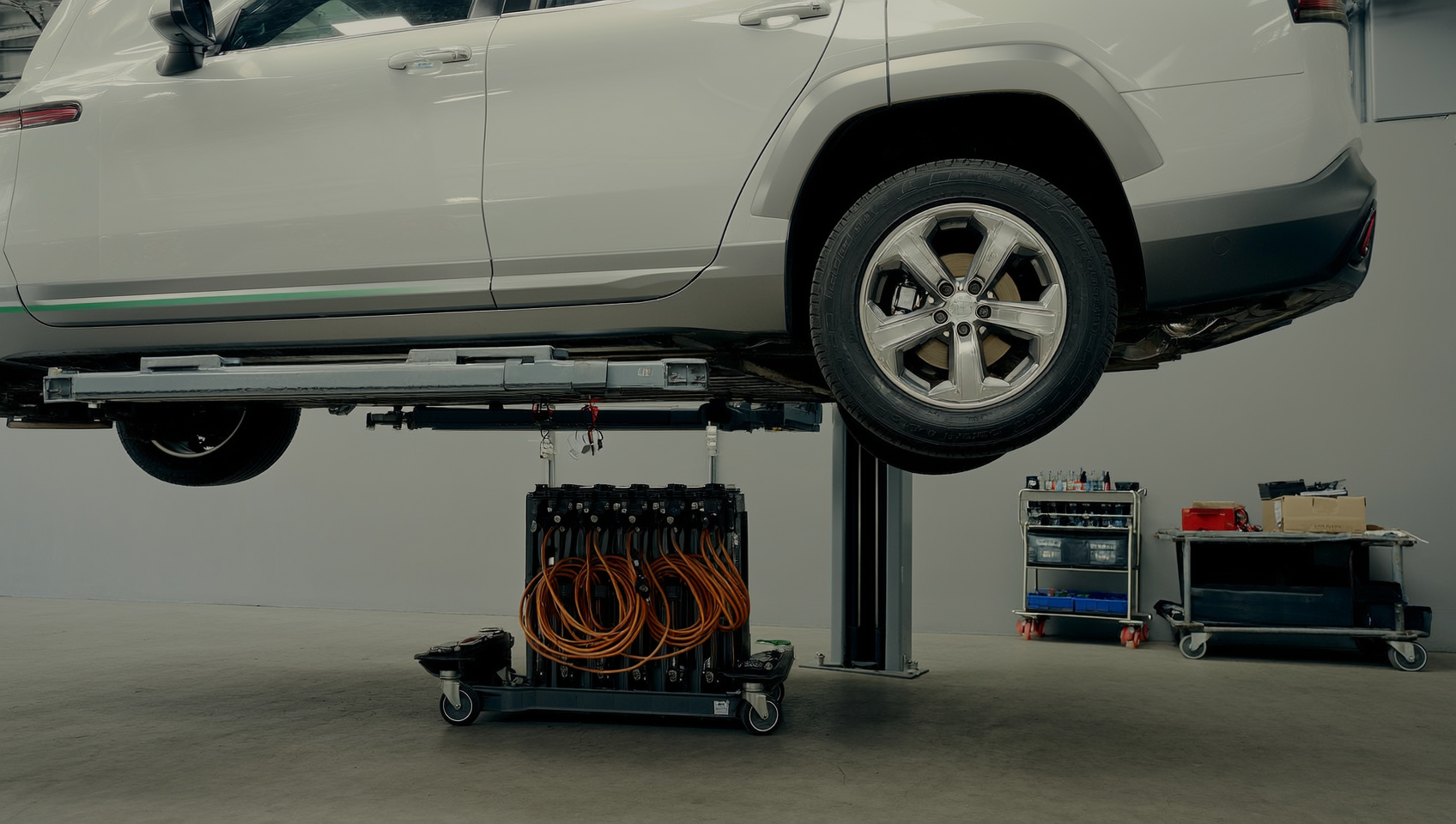
EV market share slid 3.4 points and volume dropped roughly 39% year-over-year in Q1, with fewer models on sale and charging buildout still lagging — which means ICE and hybrid work owns your bays longer than last year's projections claimed.
3 service-mix decisions to make now: 1. Rebalance training. Point your next training dollars at hybrid drivetrain, battery management, and thermal systems — that's the near-term growth lane for independents. 2. Don't over-rotate on EV-only tooling. If you tooled up for pure-EV work, pause further EV-only spend and cover the hybrid diagnostics you'll actually bill this year. 3. Requote your service mix. Model your bay hours around ICE and hybrid demand, not the EV curve you planned around in 2025.
Input costs are easing — audit your parts matrix before your next quote
June CPI cooled to 3.5% as oil prices dropped, which means the input-cost pressure that justified holding a flat markup is loosening — so this is the window to move to a tiered matrix.
- 🔴 Flat markup: One percentage across every part. It quietly underprices your cheap, high-volume parts and overprices the expensive ones — so you leave margin on the small stuff and lose bids on the big stuff.
- 🔵 Tiered matrix: Higher markup on low-cost parts, tapered markup on high-cost parts. It balances margin across every tier and keeps your big-ticket quotes competitive.
Pick this if: you're still running one flat number — review the matrix annually and any time input costs move, like right now.
Liability rates plateaued — that's your window to rebid garage keepers coverage
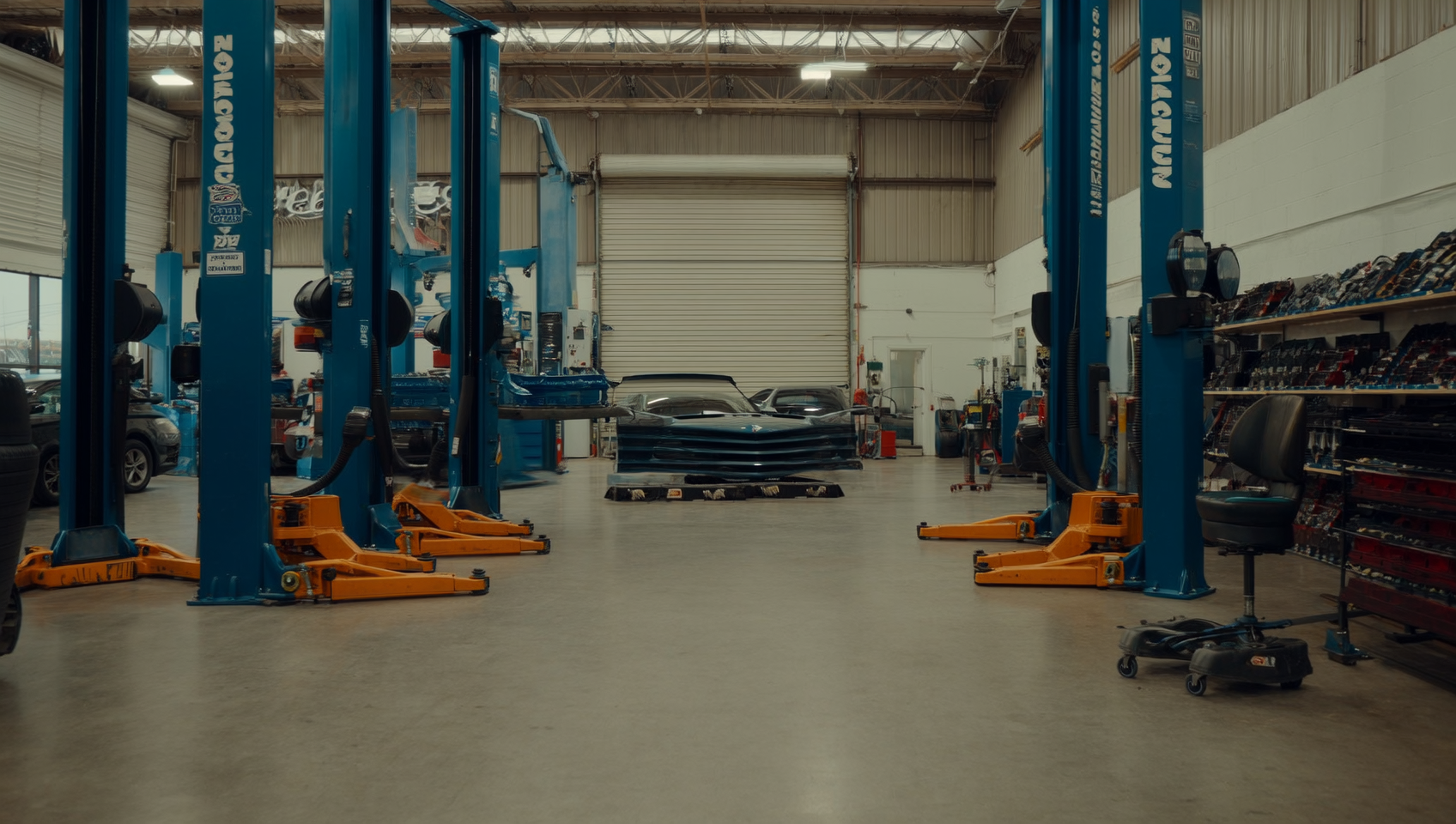
Liability rates are flat at $98/month after two years of hikes — that's your rebid window. Start by verifying what your garage keepers policy actually covers.
Verify these with your broker before you renew: 1. Equipment, in full. Lifts, alignment racks, paint booth, diagnostic tools, parts inventory, signage. Add an equipment breakdown endorsement for hydraulic lifts and alignment racks — standard property coverage often won't touch a mechanical failure. 2. Business interruption. If a covered event forces a temporary closure, this pays your lost income while the bays sit dark. Confirm the limit matches your monthly revenue, not a round number. 3. Inventory and signage limits. Parts inventory value swings — confirm the coverage limit tracks your actual shelf, not last year's count.
Bottom line: A flat renewal isn't a reason to skip the review — it's the cheapest year to close a coverage gap.
Get Mechanics.news in your inbox every morning
So You Don't Miss a Beat
- Is R-1234yf the next refrigerant up for replacement? — the developing scrutiny behind today's lead.
- EPA Section 608 certification — the handling cert tied to your refrigerant type.
- Q1 report: EV models dwindle as charging plays catch-up — the numbers behind the service-mix shift.
- Inflation cooled to 3.5% in June as oil prices dropped — the input-cost context for your parts matrix.
- Flat markup vs. a tiered parts pricing matrix — how to rebalance margin across parts tiers.
- What garage keepers insurance covers — the coverage checklist for your renewal.
- Average car insurance rates, July 2026 — why the liability-rate plateau is your rebid window.
Shop Pulse
Which decision is on your desk this month?
Useful Today?
Who We Are
Mechanics.news is a daily brief for independent auto repair, body, and tire shop owners. We translate regulation, parts pricing, tooling, and money news into decisions you can make between ROs — operator to operator, no dealership spin.
Mechanics.news is a marketplace, not a lender. Sponsor and vendor content is always labeled.