July 10, 2026
EPA moves to loosen diesel truck rules — more work headed to your bays
Plus: audit your parts for the 25% tariff, what used oil you must take for free, and whether the EVs on your lot are underinsured.
Morning, boss — today's whole edition is compliance. EPA wants to loosen diesel truck rules while OSHA keeps writing tickets. Know which way each rule is moving before it hits your bay.
Quick Bites
1. Regulation — EPA filed a proposed rule (July 9) to weaken heavy-duty diesel emissions standards. Commercial fleet shops: track the docket at EPA.
2. Parts price — The 25% Section 232 tariff on imported auto parts is still baked into your supplier invoices. Re-check markup on import-heavy SKUs before you quote.
3. Tech/tool — CRM platforms now tie diagnostics logging and parts sourcing in one dashboard. 2026 pricing guides show per-seat tiers — compare before you renew shop software.
4. Operator tactic — Post your OSHA forklift refresher schedule where techs clock in. 2026 guidance triggers refresher training on near-misses and equipment swaps, not just the three-year clock.
5. Number of the day — 500 gallons: Sell more oil than that per year in New York and you must take customers' used oil for free.
📊 By the Numbers
Average age of vehicles in operation: 12.8 yrs · as of 2025 · S&P Global Mobility
New light-vehicle sales (SAAR): 16.5M SAAR (+4.4% YoY) ▇▇▇▄▄▅▁▄▆▅▅▇ · as of Jun 1, 2026 · FRED
Vehicle Miles Traveled (VMT): ~279.3B mi · as of Apr 2026 · FHWA via FRED
EPA moves to loosen diesel truck rules — aging fleet trucks stay in your bays longer
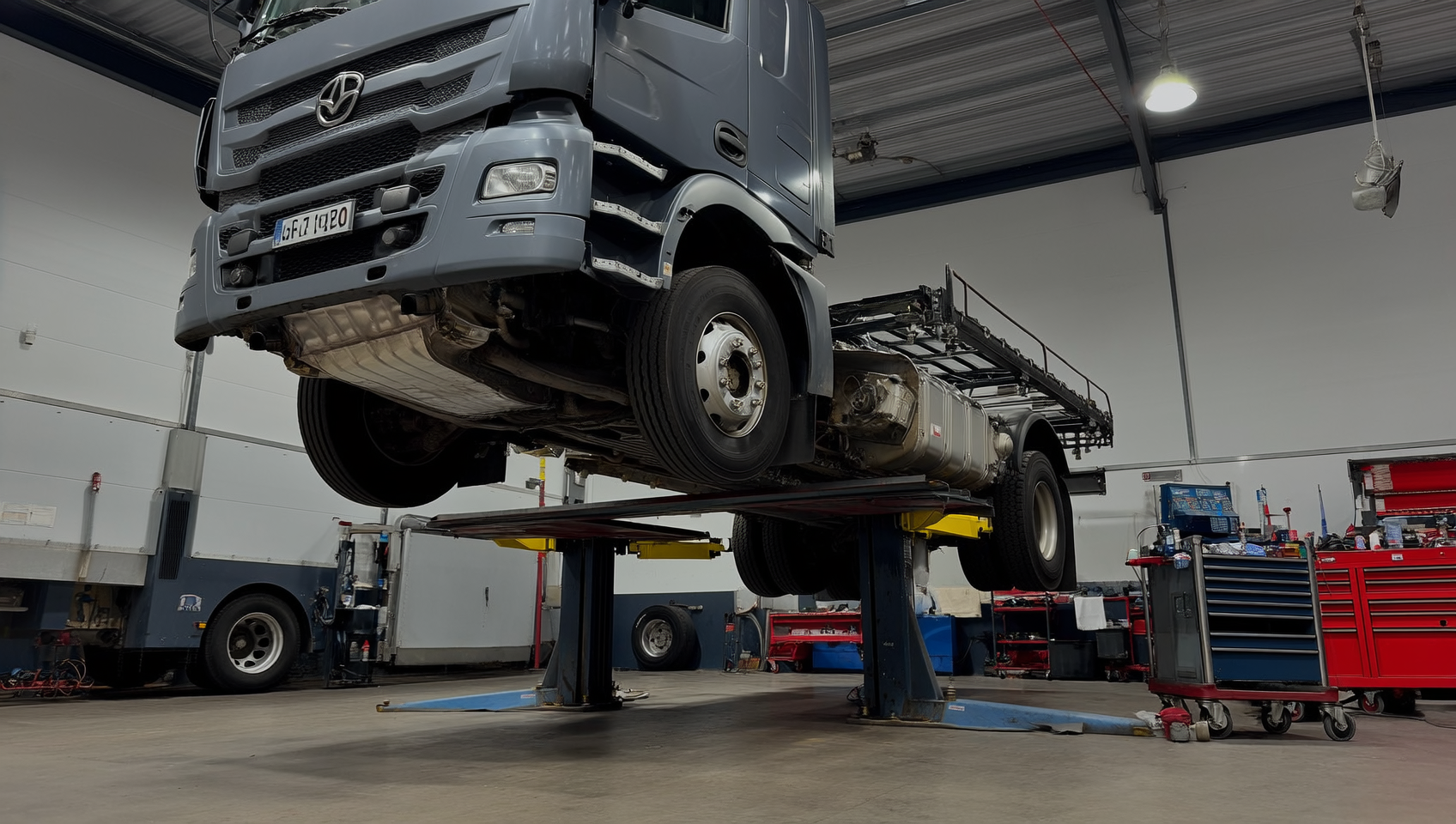
The EPA filed a proposed rule on July 9 to roll back heavy-duty truck emissions standards, per NPR.
Why it hits your bay margin:
- More diesel repair volume. Looser standards mean fleets hold older trucks longer — more brake, injector, and DPF work rolling through commercial bays.
- Aftertreatment work shifts. If DEF and SCR requirements ease on new builds, know which aftertreatment parts and calibrations stay billable — and which dry up.
- The window is open. This is a notice, not a final rule — track the docket at EPA before you invest in diesel-specific tooling.
Bottom line: If you service fleets, don't retool for old rules yet — but line up your diesel parts channel now.
Audit your parts mix for tariff exposure before your next order
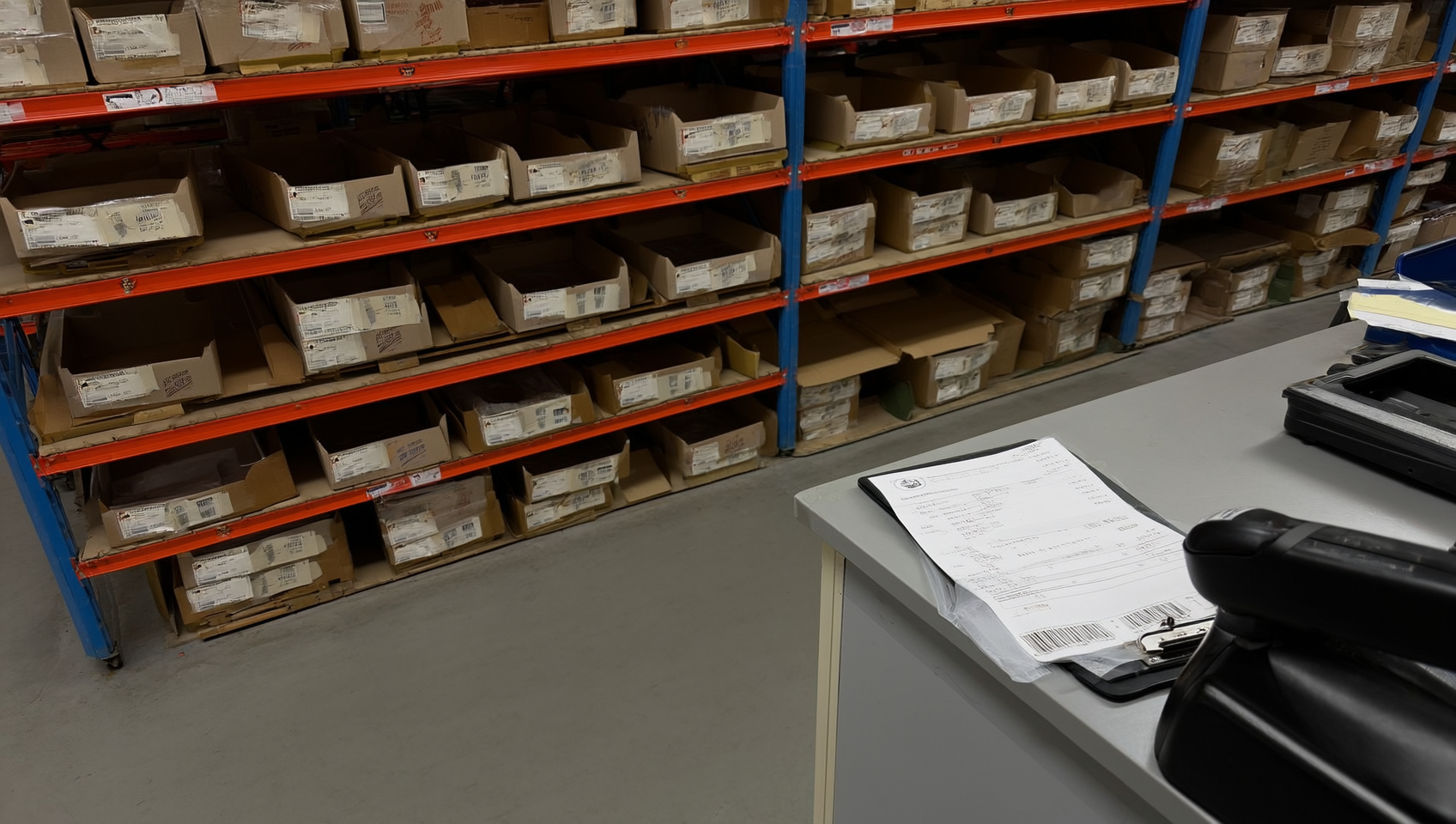
The Section 232 25% tariff on imported auto parts has been live since May 2025. If you haven't re-priced since spring, you're absorbing it.
Do this today: 1. Pull your top 25 parts by volume and flag country of origin — imported lines carry the 25% add. 2. On your three highest-volume import SKUs, price a domestic-sourced equivalent; if the gap is under 25%, switch the default. 3. Reset markup on SKUs you can't re-source — the tariff should come off the part cost, not your labor rate.
State used-oil take-back laws: what you must accept for free
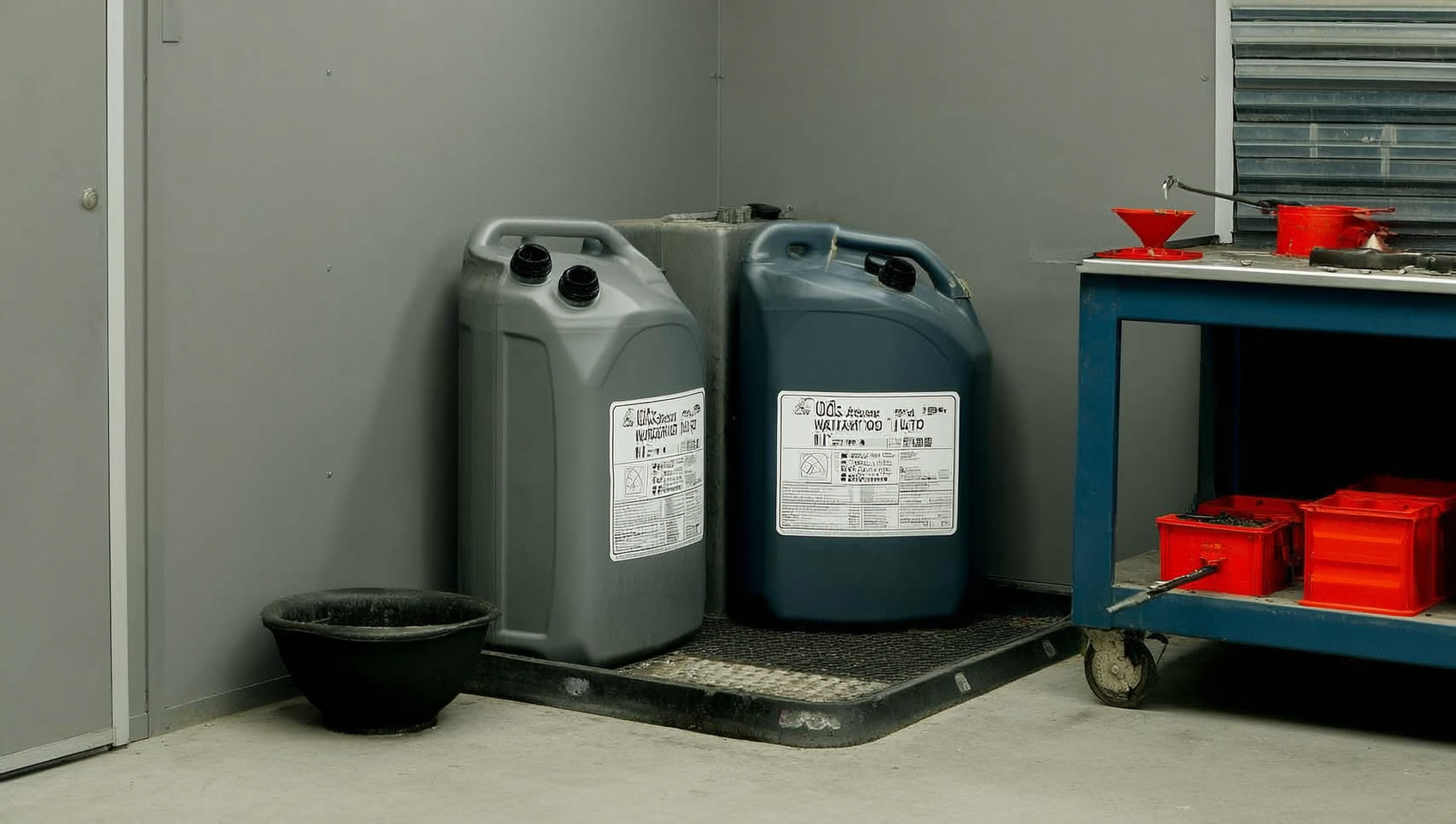
While EPA moves to roll back diesel rules this week, one used-oil compliance rule stays unchanged — and it's already triggering penalties at shops that don't know it applies to them.
Q: Can my shop charge customers to drop off their used oil?
A: In New York, no. Sell more than 500 gallons of oil a year and state DEC rules require you to accept customers' used oil and filters at no charge — turning it away or charging for it risks penalties. The federal framework (EPA 40 CFR Part 279) adds storage, labeling, and hauling requirements on top. Most states have their own take-back thresholds; verify yours at your state DEP/DEC site before you set any disposal fee.
Garagekeepers coverage: are the EVs on your lot underinsured?
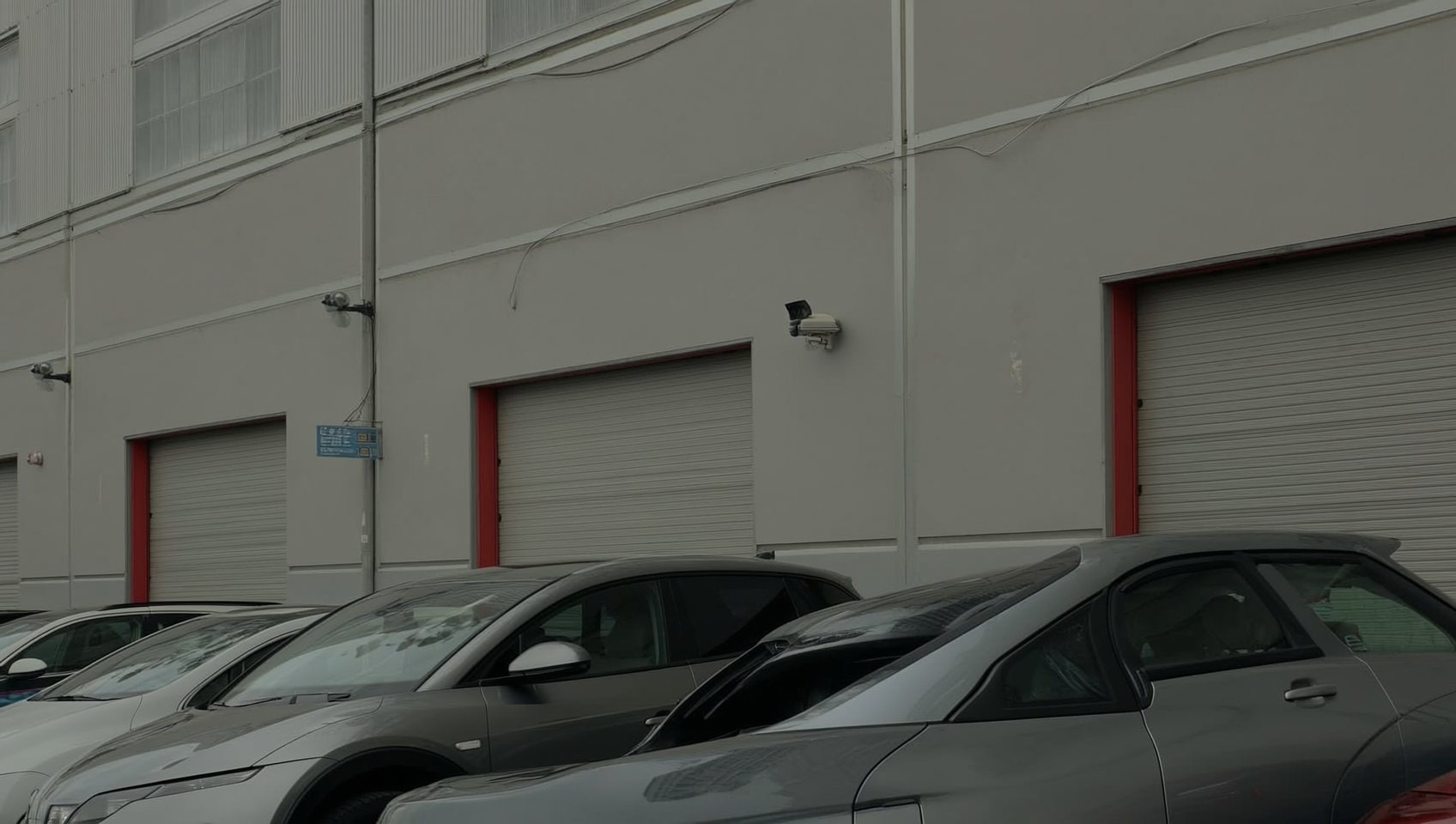
Garagekeepers Legal Liability runs $800–$2,500/yr, and the biggest rate driver is how many vehicles sit on your lot and what they're worth — per Elite Business Insurance (Tampa). Rates vary by state, fleet size, and carrier.
Store high-value EVs or exotics overnight without updating your limits and you're underinsured — one total-loss claim can blow past a stale policy cap.
- 🔴 Legal liability form: Pays only when the loss is your fault — fire, theft, negligence. Cheaper premium, but if fault is murky you carry the gap.
- 🔵 Direct primary / direct excess form: Pays regardless of fault, up to your limit. Higher premium, but it covers the six-figure EV that burns on your lot when nobody can prove negligence.
Pick this if: you regularly hold high-value or electric vehicles overnight — the direct-primary form is worth the premium bump.
Re-value your max on-lot exposure before you renew.
[House Ad]
So You Don't Miss a Beat
- OSHA Rigging Standards 2026 — qualified-rigger rules for any shop lifting engines or bodies; violations up to $16,131 per citation (Safety Evolution).
- OSHA Forklift Certification 2026 — refresher-training triggers and behavioral monitoring if you run a lift.
- Hyundai Hybrid Sales Surge 2026 — dealer-reported 74% June growth (industry signal; not independently verified).
- Automotive CRM: Diagnostics to Parts in One Workflow
- Auto Repair CRM Pricing Guide 2026 — per-seat tiers to compare before renewal.
- Autel vs Snap-on 2026 — TCO breakdown for the scan-tool pick.
- Pro Diagnostic Scanners 2026 — scanner shortlist for independent shops.
Shop Pulse
Shop Pulse: What's your biggest compliance headache right now?
Useful Today?
Who We Are
Mechanics.news is the daily operator's brief for independent auto repair, body, and tire shop owners. We turn regulation, parts costs, tools, and money moves into plain answers on what they do to your bay margin — no dealership spin, no fluff.
Mechanics.news is a marketplace, not a lender. Sponsor and vendor content is always labeled.