July 9, 2026
Base oil jumped 84% — your oil-change menu probably didn't
Reprice the lube ticket, audit your ASE certs, and bridge the cost-spike cash gap — 5 minutes.
Morning, boss.
Your oil-change ticket is quietly bleeding margin, and most shops won't catch it until the month-end P&L. Base oil PPI jumped 84% in three months. A shop running 50 oil changes a week is absorbing that hit on every single quart — and if your menu price hasn't moved, you're financing the blender's problem. The real question: did your price move when your cost did?
Today — the base oil squeeze, a cert audit before it costs you a customer, scan-tool architecture that breaks old gear, and how to bridge a cost-spike cash gap.
Quick Bites
- Regulation. New York shops: the NYSDEC used oil take-back program sets handling rules — NY-specific, so check your state environmental agency for yours.
- Parts price move. Finished lubricant prices are climbing but lagging base oil — the gap is now sitting in your parts cost, not the blender's.
- Tech/tool. THINKCAR pushed its IDC6 CAR 2026.06 software this week. THINKCAR users: push the update.
- Operator tactic. Before your next oil-change quote, compare your last three oil invoices to your posted price. Reprice, then quote.
- Ticket of the day. One customer's experience: $110 for 2 gallons of Valvoline plus a filter, versus ~$55 before. Sticker shock is already in the lobby.
📊 By the Numbers
Average age of vehicles in operation: 12.8 yrs · as of 2025 · S&P Global Mobility
Manheim Used Vehicle Value Index: 212.6 (+3.6% YoY) · as of May 2026 · Cox Automotive / Manheim
New light-vehicle sales (SAAR): 16.5M SAAR (+4.4% YoY) ▇▇▇▄▄▅▁▄▆▅▅▇ · as of Jun 1, 2026 · FRED
Base oil jumped 84% in three months — your oil-change menu probably didn't
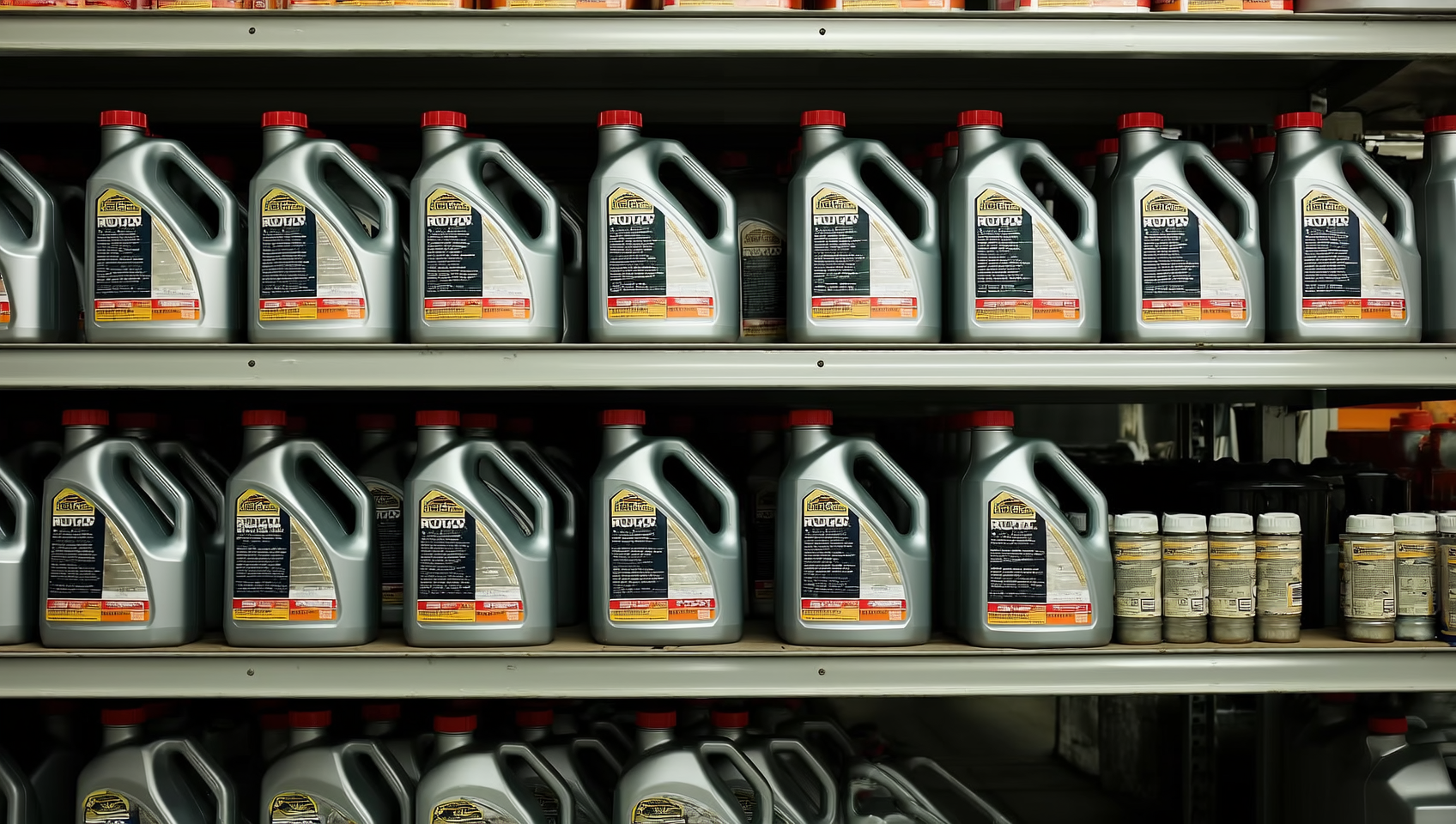
Base oil PPI surged 84% over the three months to May 2026, outpacing crude and finished lubricants — and your oil-change ticket is where it lands. (JobbersWorld)
Blenders got squeezed first, so finished lubricant prices rose too — just slower than base oil. That gap is now sitting in your parts cost. If your menu price is the same as it was six months ago, you're eating it.
Why it hits your bay margin:
- Your lube cost moved, your menu didn't. Pull your last three oil invoices and set them next to your posted price.
- Pass-through is viable. Demand is holding — retail is tracking to $77.1B in 2026 (IBISWorld). Customers are still coming in.
- Frame it before you quote. One customer's experience: $110 for 2 gallons of Valvoline plus a filter, versus ~$55 before. Explain the increase up front, not after the invoice.
Bottom line: audit your lube cost against your current menu price this week and reprice before the next batch of quotes goes out.
Your ASE certs are part of your price justification — audit them now
With lube costs climbing and every oil-change price under a microscope, the easiest premium you can defend is a certified tech — and any tech you certified in mid-2021 is hitting ASE's five-year expiration right now. (ASE)
A lapsed cert quietly weakens the reason a customer pays your labor rate instead of the chain down the road.
Do this today: 1. Pull every tech's ASE cert dates — flag anything dated 2021 or earlier. 2. Register anyone at or near expiry for recert before the window closes (ASE registration). 3. Update your lobby board and website with current certs — that's the premium you're protecting.
💡 Why it matters: When you raise an oil-change price, the customer's first silent question is "why you?" A wall of current certifications answers it before they ask.
Zonal architecture is coming for your scan tool — the 2026 in your bay is the test
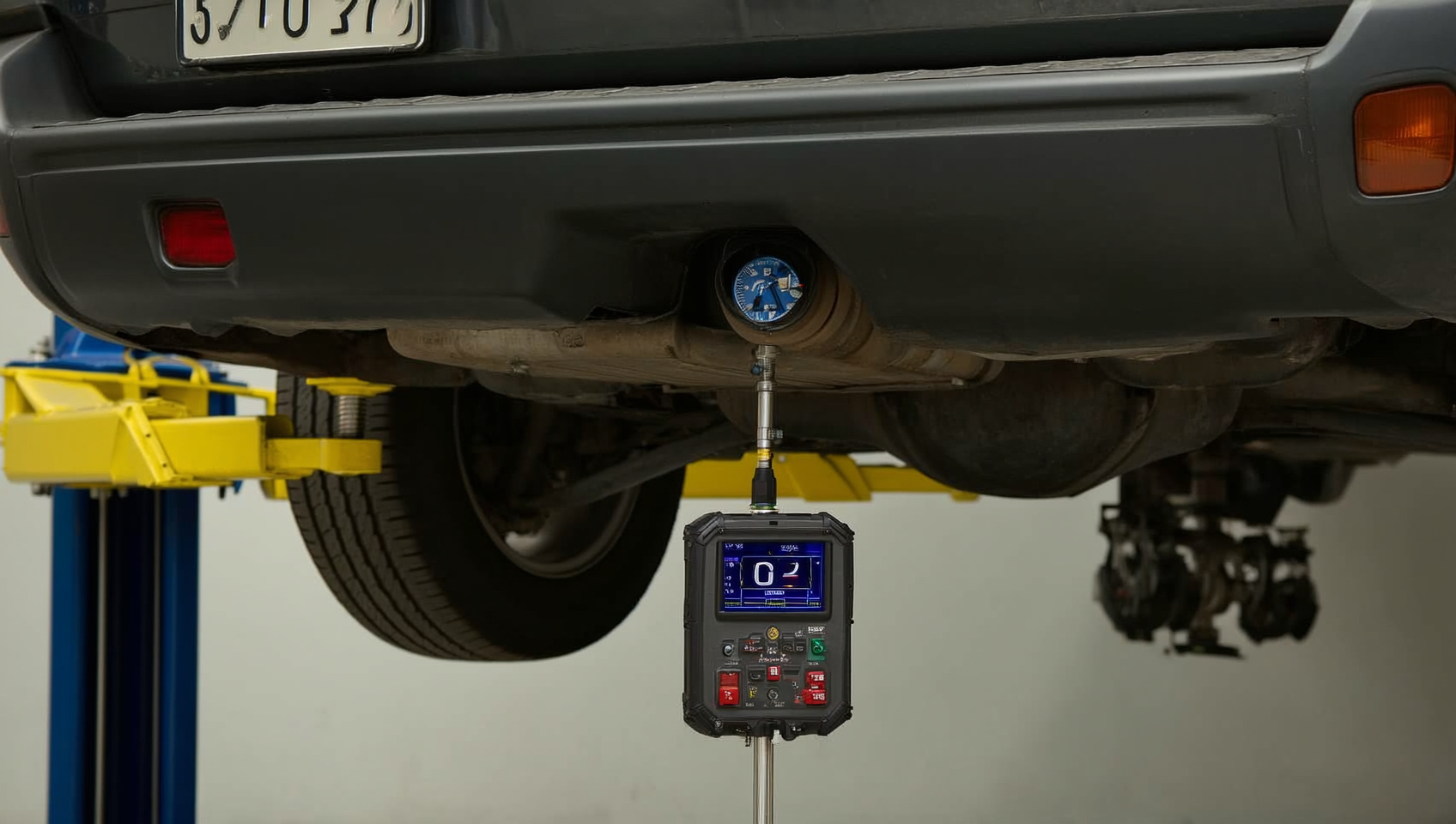
THINKCAR pushed its IDC6 CAR 2026.06 software this week, and that monthly cadence is the whole point: OEMs are collapsing dozens of ECUs into centralized domain and zonal architectures with over-the-air updates. (Automotive IQ)
If your scan tool isn't keeping pace with monthly OEM software cycles, today's 2026 model-year vehicle is tomorrow's mystery code.
- 🔴 Old distributed architecture: dozens of separate ECUs, stable protocols, a five-year-old tool still reads most of it. Cheap to support — until those cars age out of your bays.
- 🔵 New domain/zonal + OTA: centralized software, gated access, codes that shift with the next over-the-air push. Needs a current subscription and a tool that updates monthly, or you're subletting the job.
Pick this if: you're seeing more 2024-and-newer vehicles roll in — budget for a subscription tool that updates monthly, because the access barrier only climbs from here.
The base oil spike is a cash-flow problem before it's a pricing problem
When your oil cost jumps this fast, you refill inventory at the new price weeks before repriced tickets catch up — and payroll doesn't pause for the gap.
That lag is a working capital gap, not a P&L problem. If you're heading into a slow season while input costs are elevated, the math gets tighter fast. Run the numbers before it turns into a cash crisis.
- Model the payment first. Equipment leasing rates vary by lender, credit profile, and structure — get a payment estimate before you commit to a purchase or a drawdown.
- Leasing preserves cash. Structured right, leasing keeps working capital in the shop that would otherwise go toward a down payment — cash you can put toward oil you're now buying higher.
- Your ticket backlog is your financing signal. If backlog thins out before a slow stretch while costs are up, line up the structure now — not the week you're short.
Bottom line: run your gap through the working capital calculator before you dip into operating cash.
Mechanics.news is the 5-minute morning read for shop owners who'd rather run bays than dig through trade journals.
Every weekday we pull the parts prices, regulation changes, scan-tool updates, and money moves that actually hit your bay margin — and translate them into what to do before your next quote.
No fluff. No dealership spin. Built for independent repair, body, and tire shops. Free.
Forward this to another shop owner who's tired of finding out about a price move at month-end.
So You Don't Miss a Beat
- Why crude volatility complicates lubricant pricing — JobbersWorld, the base oil squeeze in full.
- ASE recertification registration — check your techs' five-year cert dates.
- Domain vs. zonal architecture — Automotive IQ on the software shift breaking old scan tools.
- NYSDEC used oil take-back — NY-specific; rules vary by state — check your state environmental agency.
- Trump signs right-to-repair order — developing; vendor source only (CarBizToday), primary federal source not yet confirmed.
- THINKCAR IDC6 CAR 2026.06 update — THINKCAR users: push this update.
- Best bidirectional diagnostic tool 2026 — one reviewer's rankings.
- Auto parts retailing 2026 outlook — IBISWorld: demand holding at $77.1B.
Shop Pulse
Which challenge is hitting your shop hardest right now?
Useful Today?
Who We Are
Mechanics.news is the daily briefing for independent auto repair, body, and tire shop owners. We turn the day's parts prices, regulation shifts, tools, and money moves into 5 minutes of what-to-do — operator to operator. Get smarter about running your shop before the first car hits the lift.
Mechanics.news is a marketplace, not a lender. Sponsor and vendor content is always labeled.