June 23, 2026
Parts up. Techs scarce. R-134a closing. Here's what hits your margin.
The parts PPI climbed 5.3 points since February — your markup math is drifting while the car sits on the lift.
Morning, boss. Three squeezes are hitting the same ticket this summer: parts cost more, techs are scarcer, and the R-134a window is closing.
The number: the auto-parts producer price index climbed from **276.8 in February to 282.1 in April**. Your markup math is drifting while the car sits on the lift.
Quick Bites
1. Refrigerant cert is legal, not optional. EPA 608/609 certification is required to handle R-134a — no cert means no AC work and fine exposure.
2. Parts keep eating the ticket. The parts-to-whole price ratio hit 391.07%, up 2 points in January — the pieces now cost more relative to the whole car.
3. Snap-on's Spring 2026 release is live. It adds code scan-and-clear across 33 OEMs and 2025 model-year coverage for 15 makes.
4. Stop guessing your parts margin. ALLDATA's Parts Markup Matrix sets tiered markups by cost band — cheap parts stop bleeding money.
5. Number of the day: 40. That's the average age of a working tech — the bench is graying faster than it's refilling.
In the Bay Today
Here's what's on the lift today:
- Licensing & Regulation. ASE Entry Level credits expire June 30 — and the refrigerant rules just tightened.
- Jobs Market. A 37,000-tech annual shortfall and what it does to your labor rate.
- Tech & Tools. Software and scan tools built to protect your parts margin.
- Money. Lease vs. buy on a lift, booth, or scanner — and who's funding same-day.
Licensing & Regulation
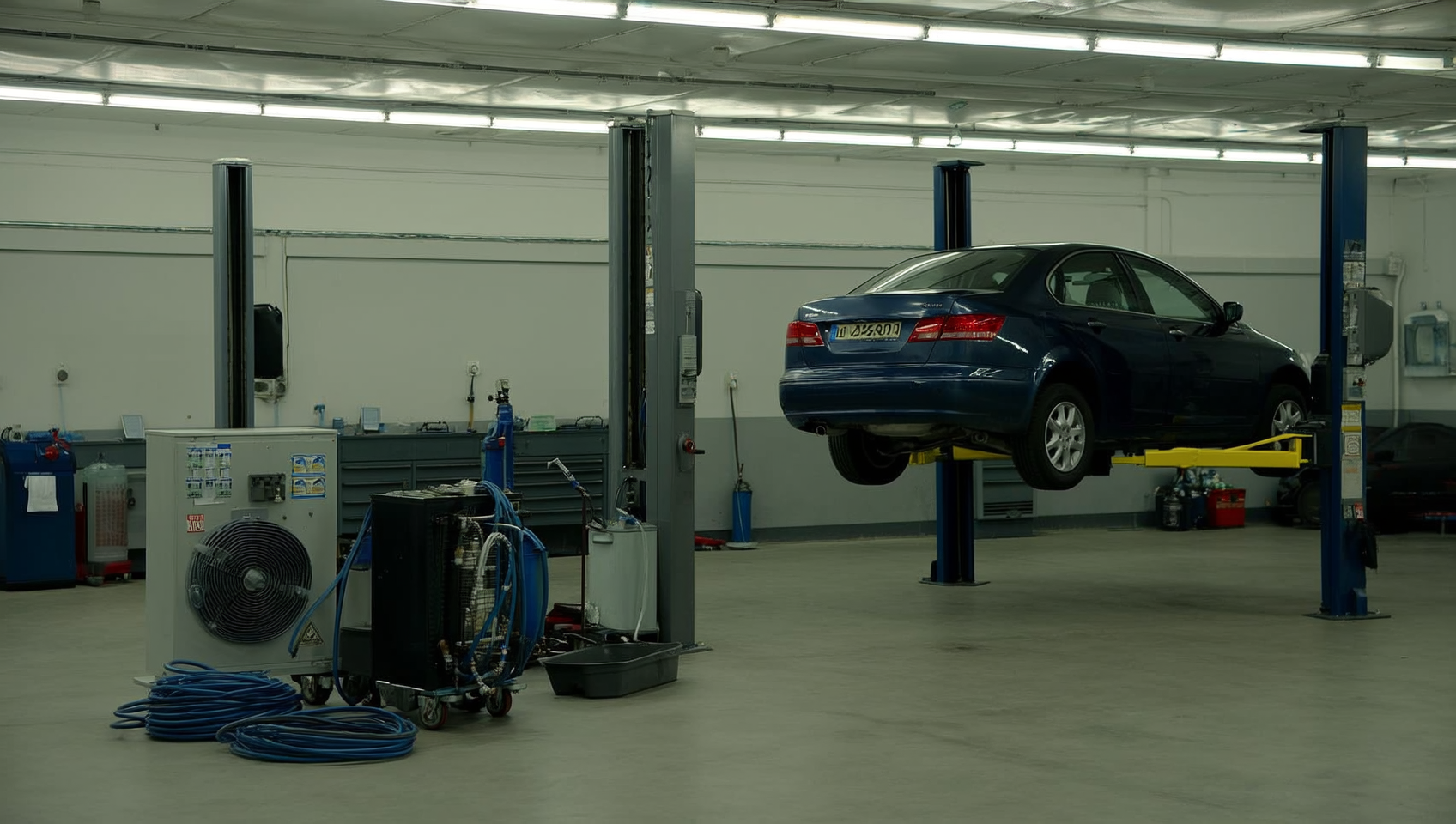
ASE's revised 2026 program sets a hard wall: Entry Level credits must be used by June 30, and the testing system goes down for maintenance July 1–31.
Why it hits your bay margin:
- Certs gate billable work. The 2026 ASE program added new test pathways and recertification windows — a lapsed cert is a tech you can't put on certain tickets at full rate.
- Refrigerant cert is legal, not optional. EPA 608/609 certification is required to buy and handle refrigerant — no certified tech means no AC work and fine exposure.
- The rulebook shifted. Right-to-repair took effect Jan 1 in CO, NV, OR, and WA; battery EPR mandates now hit seven states — both change how you handle and bill waste.
💡 Why it matters: A lapsed cert isn't paperwork — it's a bay you can't bill at full rate during your busiest AC season.
Bottom line: Pull your roster today, flag anyone mid-credit, and book tests before June 30.
Jobs Market
The industry needs about 76,000 replacement techs a year and comes up roughly 37,000 short, with the average working tech now 40.
Why it hits your bay margin:
- A short bench caps throughput. Empty stalls don't bill — every open bay is ticket capacity you can't sell.
- Pay and perception drive the gap. AAPEX found 6 in 10 shops report high-to-moderate impact, with compensation and the trade's image as the top causes.
- Complexity raises the skill floor. IMR flags vehicle complexity, parts-and-labor pressure, and economic uncertainty as the top 2026 challenges — pricier skills, not cheaper ones.
💡 Why it matters: You can't out-recruit a national shortfall, but you can out-pay and out-train your local market for the techs who decide where to work.
Bottom line: Treat your labor rate as a retention tool, not just a price — the raise you skip is the tech your competitor hires.
Tech & Tools
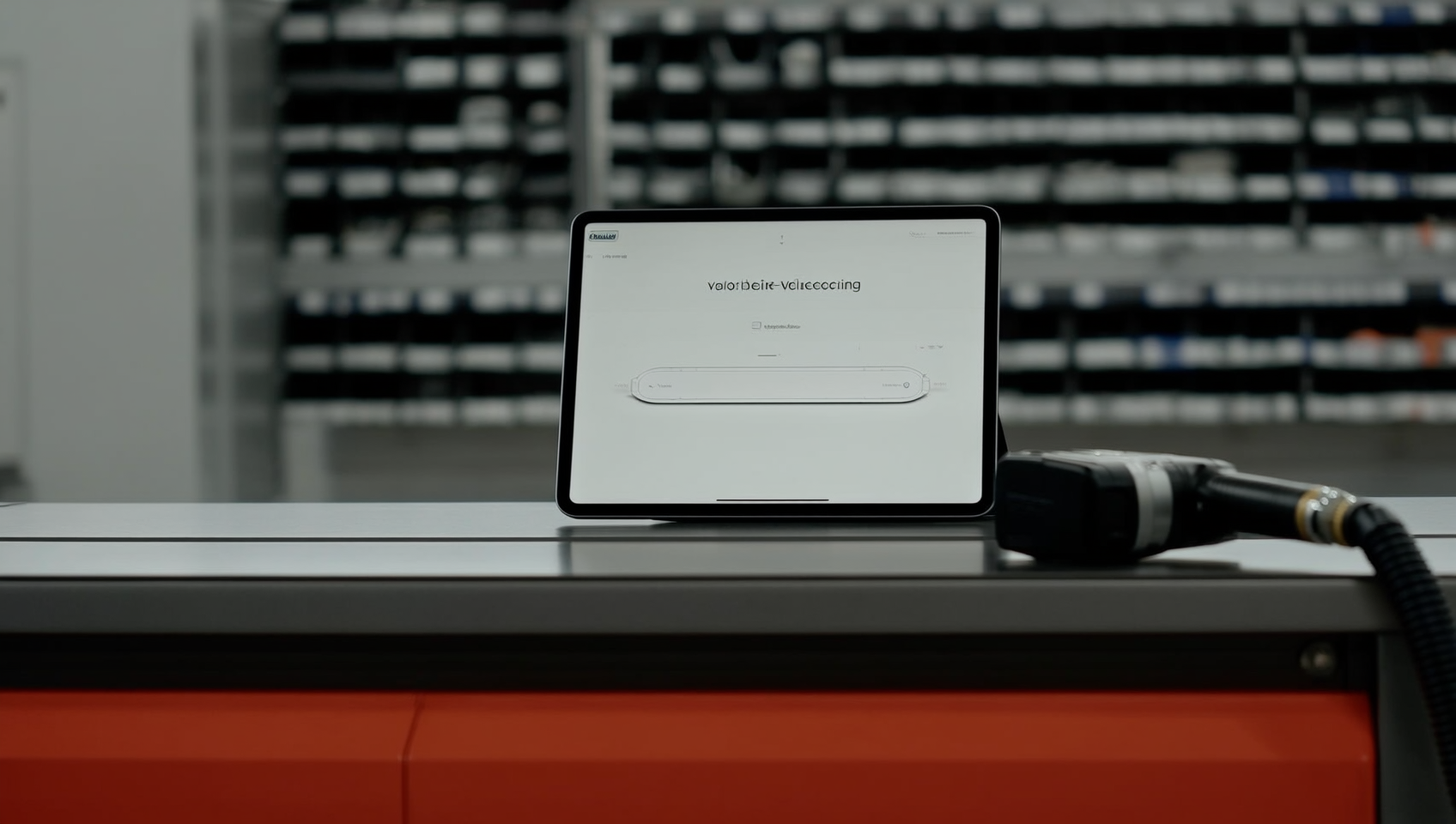
Shop-management and diagnostic vendors shipped updates aimed straight at parts margin and diagnostic time.
Why it hits your bay margin:
- All-in-one cuts admin drag. Shopmonkey bundles digital inspections, parts ordering, scheduling, and payments — no more re-keying the same ticket three times.
- A markup matrix protects margin. ALLDATA Shop Manager's Parts Markup Matrix sets tiered markups by cost band, with AutoZone/Nexpart ordering and CARFAX advisories built in.
- Wider scan coverage means faster tickets. Snap-on's Spring 2026 release adds code scan-and-clear across 33 OEMs plus 2025 model-year coverage for 15 makes.
💡 Why it matters: Software won't turn a wrench, but a tiered markup rule earns money on every cheap part you'd otherwise undercharge.
Bottom line: Run one tool that sets your parts markup by rule, not by gut, before your next quote.
Money
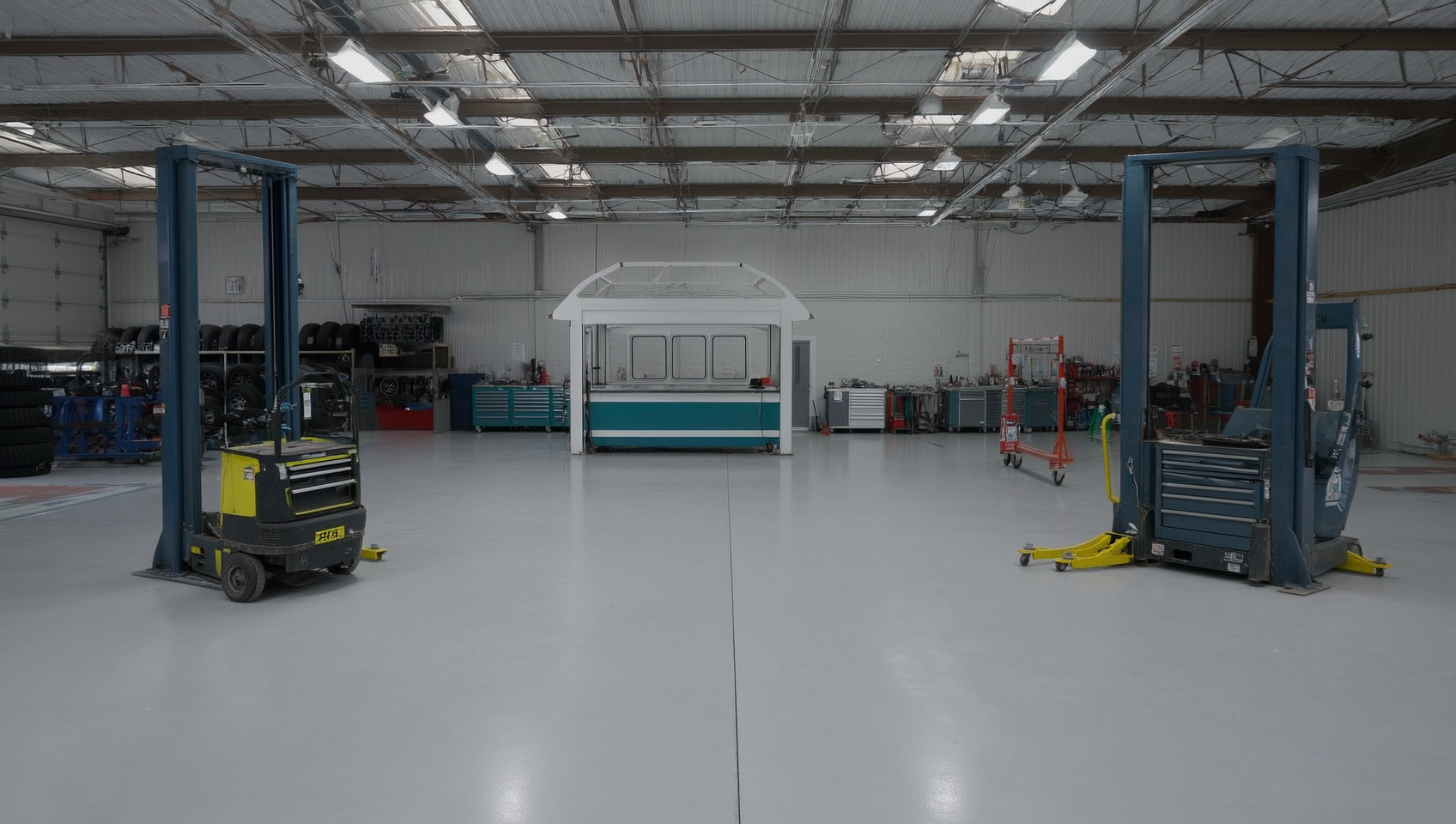
Equipment lenders are moving fast — Ameris Bank advertises app-only approvals up to $500K with one-hour decisions and same-day funding — but the lease-or-buy call still sets your real cost.
Why it hits your bay margin:
- 🔴 Lease. Lower money down, predictable payments, easier to swap aging diagnostic gear before it's obsolete — but you don't own the asset and total cost usually runs higher.
- 🔵 Buy (equipment loan). You own it outright, build equity, and write off depreciation — but more cash up front and you carry the obsolescence risk.
- Match the term to the asset. Paint booth loans run 2–7 years at rates typically 5%–12% depending on credit. Don't finance a 15-year booth on a 2-year note or stretch a fast-aging scanner over 7.
💡 Why it matters: A scanner ages out in three years; a paint booth earns for fifteen. Lease the thing that goes obsolete, buy the thing that lasts.
Bottom line: Model the payment first, then match the term to how long the gear actually earns.
Presented By
Presented By Mechanics.news
This is the brief we wish landed in our own inbox: five minutes, written by operators, no dealership spin, no buzzwords. If it earned its place today, forward it to the shop owner in the next bay — the one still digging through ten browser tabs to track parts prices and cert deadlines.
Good intel travels bay to bay. Pass it on.
So You Don't Miss a Beat
- Auto-parts PPI — the raw index behind your markup math
- The future of automotive refrigerants — R-1234yf, and why EVs need 800g–1.2kg vs. 500–600g for ICE
- Battery EPR and right-to-repair: the 2026 laws reshaping shop waste handling
- ASE 2026 certification: what you need to know
- IMR's 2026 repair-shop challenges, ranked
- Recruiting and retaining techs in a 37,000-short market
- Shopmonkey's all-in-one shop management rundown
Shop Pulse
This summer, the bigger squeeze on your shop is:
Useful Today?
Who We Are
Mechanics.news is written by The Mechanics Desk — operators who read the industry data so you don't have to. We cover the four things that move your shop: tickets, parts costs, certification and compliance, and the technology and financing behind both. No fluff, no buzzwords, no dealership spin — just five minutes built for the person who actually runs the bays.
Mechanics.news is a marketplace, not a lender. Sponsor and vendor content is always labeled.