Right-to-repair update: 9 more states pass legislation in 2025
The legislative map is shifting toward independent shops — but OEM data access is still not uniformly available on newer platforms.
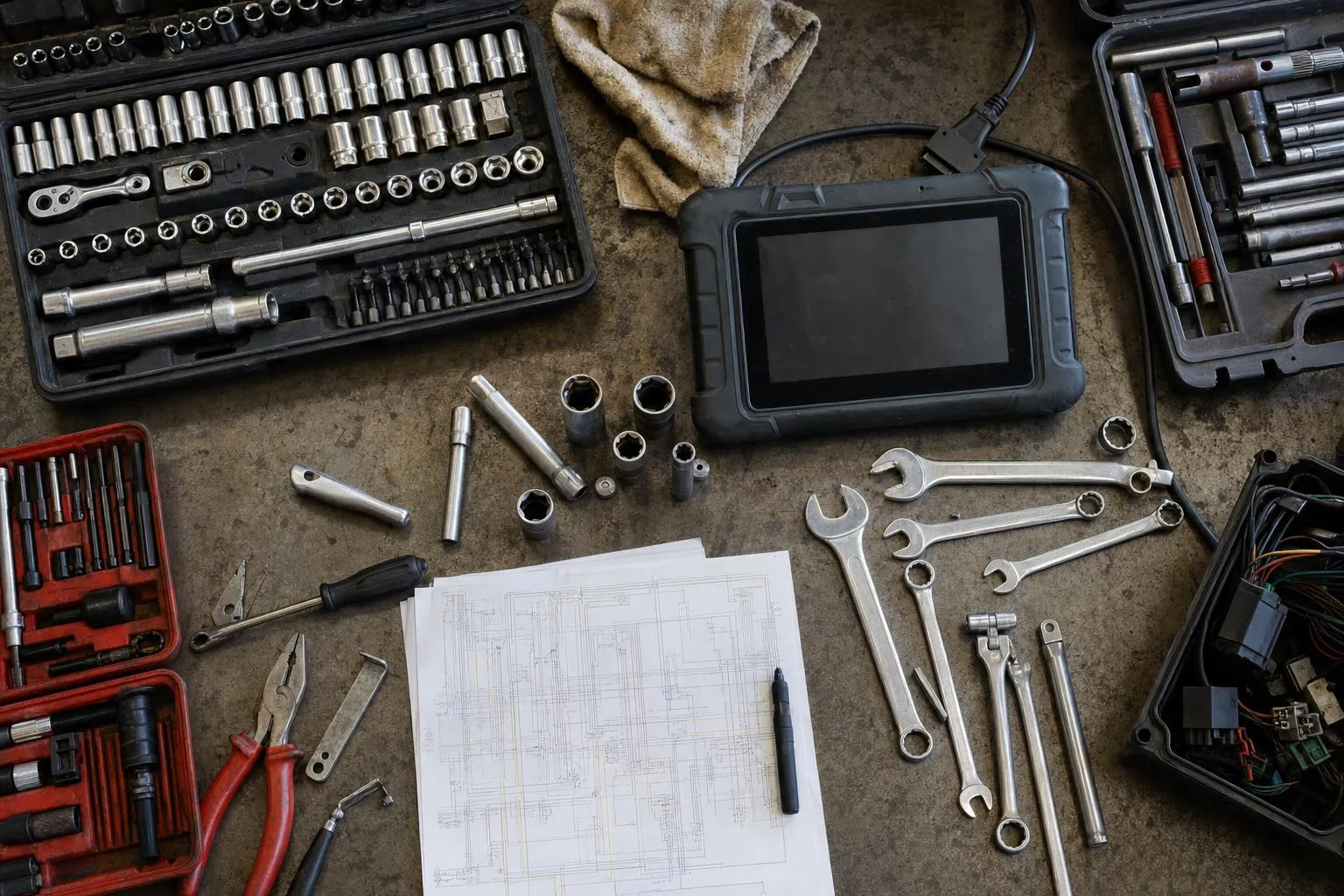
Nine states enacted right-to-repair legislation in 2025, bringing the total number of states with some form of automotive repair data access law to 23. The wave of state-level action follows the Massachusetts model, which voters approved in 2020 and which has been the template for most subsequent legislation despite years of implementation litigation.
The practical effect for independent shops varies significantly by state and by vehicle model year. Understanding what the laws actually require — and what OEMs are currently providing — is essential before assuming a legislative win translates directly to shop-floor capability.
What the legislation covers
Most 2025 state laws follow a similar structure. They require automakers to provide independent repair facilities with access to the same diagnostic and repair information provided to their franchised dealer networks, at a fair and reasonable cost. They specifically include telematics data and remote diagnostic access where those systems are already provided to dealers.
The laws do not require OEMs to provide this access for free, and several OEMs have moved quickly to establish subscription-based portals for independent shops. The cost varies considerably: GM’s repair-information portal runs $55–$95/month depending on access tier; Stellantis’s TechAuthority is priced per-incident or by annual subscription ($700–$1,200/year for most access levels); Toyota’s TIS charges per-vehicle for most programming functions.
Where the gaps remain
Late-model over-the-air (OTA) update platforms are the sharpest remaining gap. Several manufacturers — most prominently Tesla, Rivian, and the GM EV platform — conduct software updates and some diagnostic functions exclusively through proprietary channels that even the new state laws have not yet reached, primarily because the laws were drafted before OTA updates were a primary service delivery mechanism.
ADAS calibration is a second active dispute. Several OEMs argue that calibration target specifications and software constitute proprietary information not covered by repair data access requirements. Independent shops in Massachusetts, one of the more litigated markets, have had mixed results seeking calibration data under the 2020 law.
The law says you have to give us the data. Getting OEMs to actually do it, in a format a shop can use, is still a case-by-case fight.
What shops should do now
Independent shops in the 23 states with repair data access laws should document any instances where required data is unavailable or unreasonably priced. Several industry groups — including ASA and SEMA’s Vehicle Technology Policy Committee — are actively collecting such documentation to support enforcement actions and future legislation.
Shops outside those 23 states should be watching their state legislatures. Fifteen additional states have active or pending bills, and the 2025 legislative success rate for these measures was the highest since the Massachusetts referendum. The federal Right to Equitable and Professional Auto Industry Repair (REPAIR) Act remains stalled in the Senate, but state-level momentum is building toward a patchwork of laws that effectively covers most of the country within 3–4 years.