Labor rate survey: median shop now charges $148/hr
Independent shops pushed rates higher in 2025 — but the spread between top and bottom quartiles widened to $62/hr.
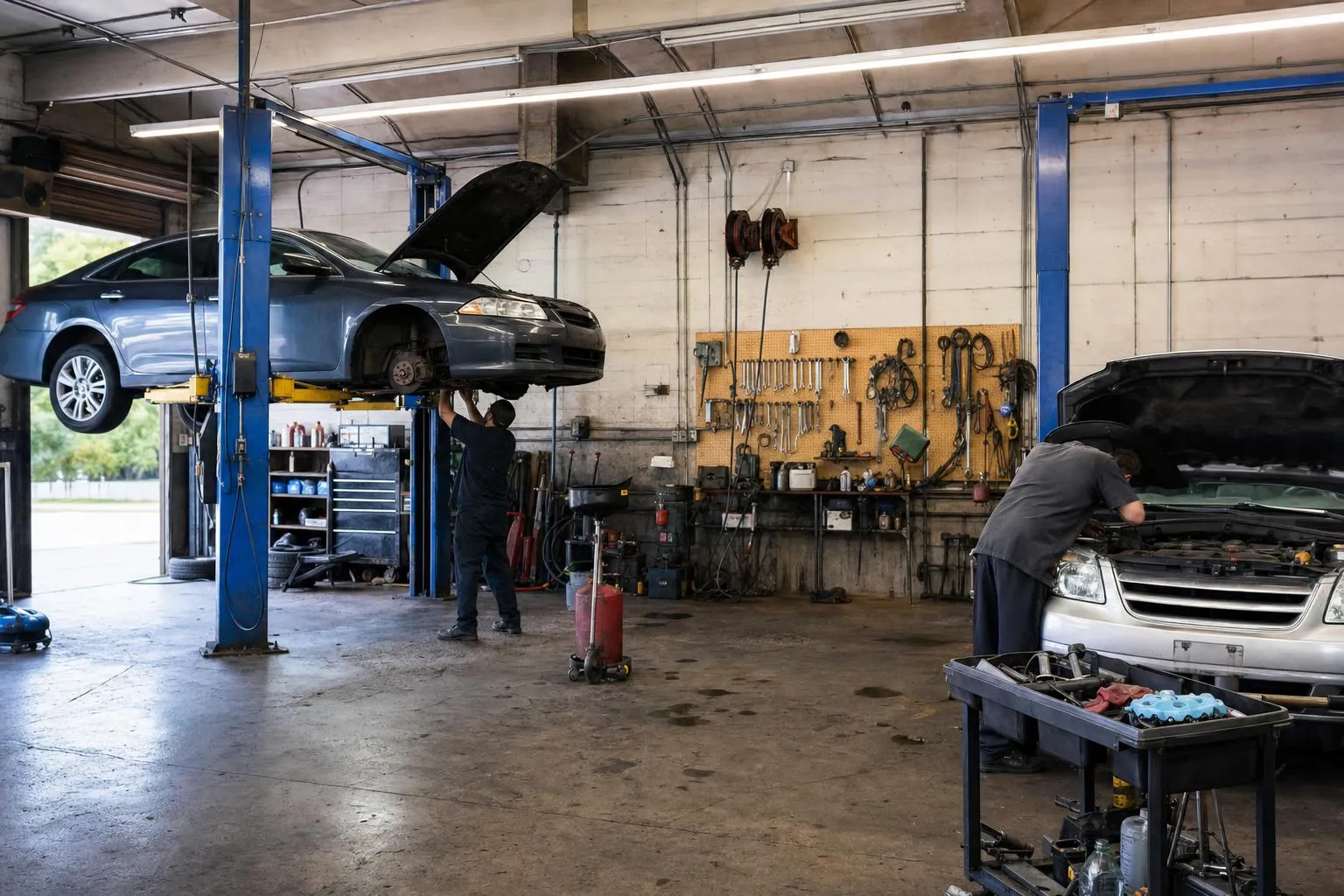
The median labor rate at independent repair shops hit $148/hr in the third quarter of 2025, according to survey data collected by Mechanics.news from 638 shops across 34 states. That is up $11 from Q3 2024 and $27 from Q3 2022 — a 22% increase over three years that has outpaced general CPI for every period measured.
The headline number masks a wide distribution. The bottom quartile of shops still charged $112/hr or less. The top quartile charged $174/hr or more. The $62 spread between those thresholds is larger than it has been in any previous survey cycle, and it tracks closely with geography and shop specialization.
Where rates are highest — and why
Metro-area specialty shops — European import specialists, transmission rebuilders, ADAS-calibration centers — dominate the top quartile. Eight of the ten highest-reported rates came from California, the Pacific Northwest, or the Northeast corridor. The single highest rate reported was $235/hr, from a BMW/Porsche specialist in San Jose.
Rural and small-market generalist shops cluster in the lower half of the distribution, though this year’s data shows some compression at the bottom as even low-rate shops adjusted for technician wage inflation. Shops in the $95–$110 range are increasingly rare; operators in that bracket cited difficulty recruiting and retaining techs as the primary reason they finally moved rates.
What shop owners said about pricing decisions
In open-response questions, the most common reason shops gave for rate increases was technician compensation. Entry-level tech wages have risen 18% over the same three-year period, and A-tech rates in competitive markets are exceeding $35/hr in base pay before flat-rate multipliers. Shops absorbing that cost without raising labor rates are compressing their own margins.
The second most common reason: customer acceptance has been better than expected. Most shop owners who raised rates by more than $10 in the past year said they lost fewer than 5% of customers, and several noted that customers who left were disproportionately low-ticket, high-complaint clients — a net positive for shop efficiency.
When I went from $128 to $148, I thought I’d hear about it. I got three calls. Two were price-shoppers who left. One called back three weeks later. — Surveyed shop owner, Mechanics.news Q3 2025
The data suggests shops have more pricing power than many owners assume, particularly when the rate increase is accompanied by a service quality signal — a new loaner program, a digital inspection report, or a warranty extension.