Alignment racks worth the capex: a 5-year ROI breakdown
At $148/hr and 2 alignments per day, the math on a new rack closes faster than most shop owners expect.
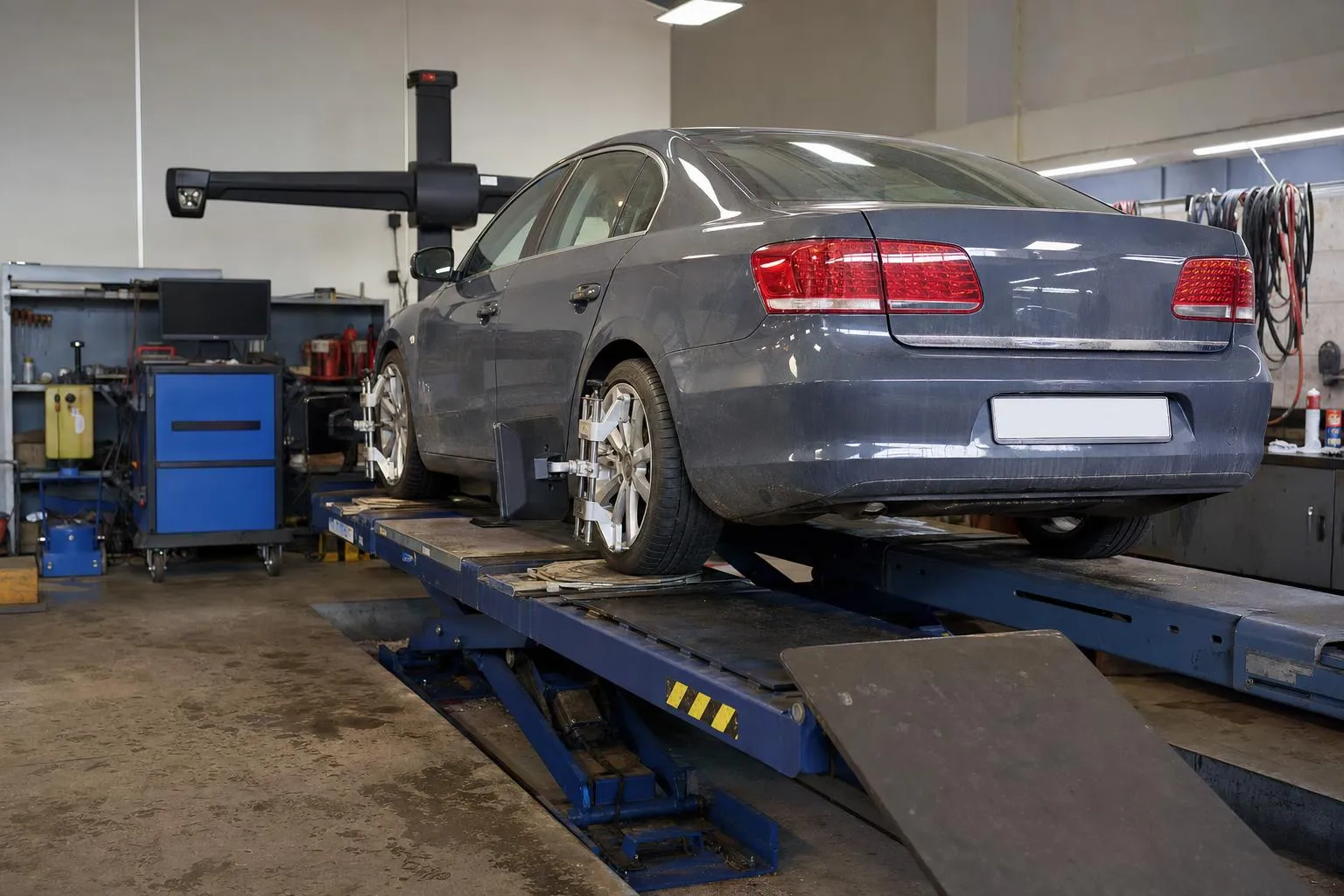
Alignment racks are the most common large-equipment purchase independent shops make — and the one most frequently financed on assumptions rather than math. The question is not whether a rack pays off. On paper, nearly every rack purchase does. The question is how long it takes, and what assumptions are doing the most work.
A new four-wheel alignment system from Hunter or Hofmann runs $28,000–$42,000 installed, depending on configuration and whether the shop needs a new lift or can use existing equipment. Used systems in good condition trade in the $12,000–$22,000 range. Software subscriptions add $1,200–$2,400 per year to the cost of ownership regardless of whether the system is new or used.
The revenue model
A shop charging $110 for a standard four-wheel alignment and performing 2 alignments per day, 5 days per week, generates $57,200 in gross alignment revenue per year. At a 65% gross margin (labor-heavy work, parts cost is minimal), that is $37,180 in gross profit per year.
At that rate, a $32,000 installed system finances in 10.4 months of gross profit — before accounting for the tax benefit of Section 179 expensing, which lets most shops deduct the full purchase price in year one. With a Section 179 deduction at a 25% effective tax rate, the after-tax cost of the same system drops to $24,000, and the breakeven moves to 7.7 months.
Those are conservative numbers. Shops that add alignment upsells to tire installs, brake jobs, and steering/suspension work routinely report 3–4 alignments per day within six months of adding the equipment. Several shops in this analysis reported that alignment revenue alone covered their monthly equipment payment within 90 days of installation.
Financing structure matters
Most alignment rack purchases are financed with equipment loans or leases, not purchased outright. The financing structure affects the cash-flow math significantly.
A $32,000 system financed over 60 months at 9.5% APR produces a payment of $671/month. That payment is covered by roughly 6.1 alignments per month — less than one and a half alignments per week. The gross margin on the remaining work is pure equipment profit.
Equipment leases, by contrast, offer lower monthly payments but no ownership at end of term and no Section 179 deduction (the lessor takes the depreciation benefit, not the shop). For shops with strong cash flow and an eye on tax efficiency, a loan or direct purchase typically outperforms a lease on a 5-year horizon.
What the 5-year picture looks like
Assuming 2 alignments/day at $110, 250 working days per year, 65% gross margin, $32,000 financed at 9.5% over 60 months, and $1,800/year in software and calibration costs:
- Year 1 net: $28,700 (after equipment payment and software, before Section 179)
- Year 1 net with Section 179 at 25%: $36,700
- Years 2–5 net per year: approximately $33,400 (payment complete after month 60)
- 5-year total gross profit from alignment: approximately $162,000
The rack pays for itself many times over. The risk is not the equipment — it is the assumption that the work volume materializes. Shops adding alignment capability for the first time should build conservative estimates (1–1.5 alignments/day initially) and treat volume above that as upside.