A2L refrigerant transition: financing the A/C equipment refresh on a 2026 timeline
A new A2L-compliant A/C service machine runs $4,500-$8,000 in 2026, and most shops need at least one before the next service-season demand wave. Here's how to spread the hit.
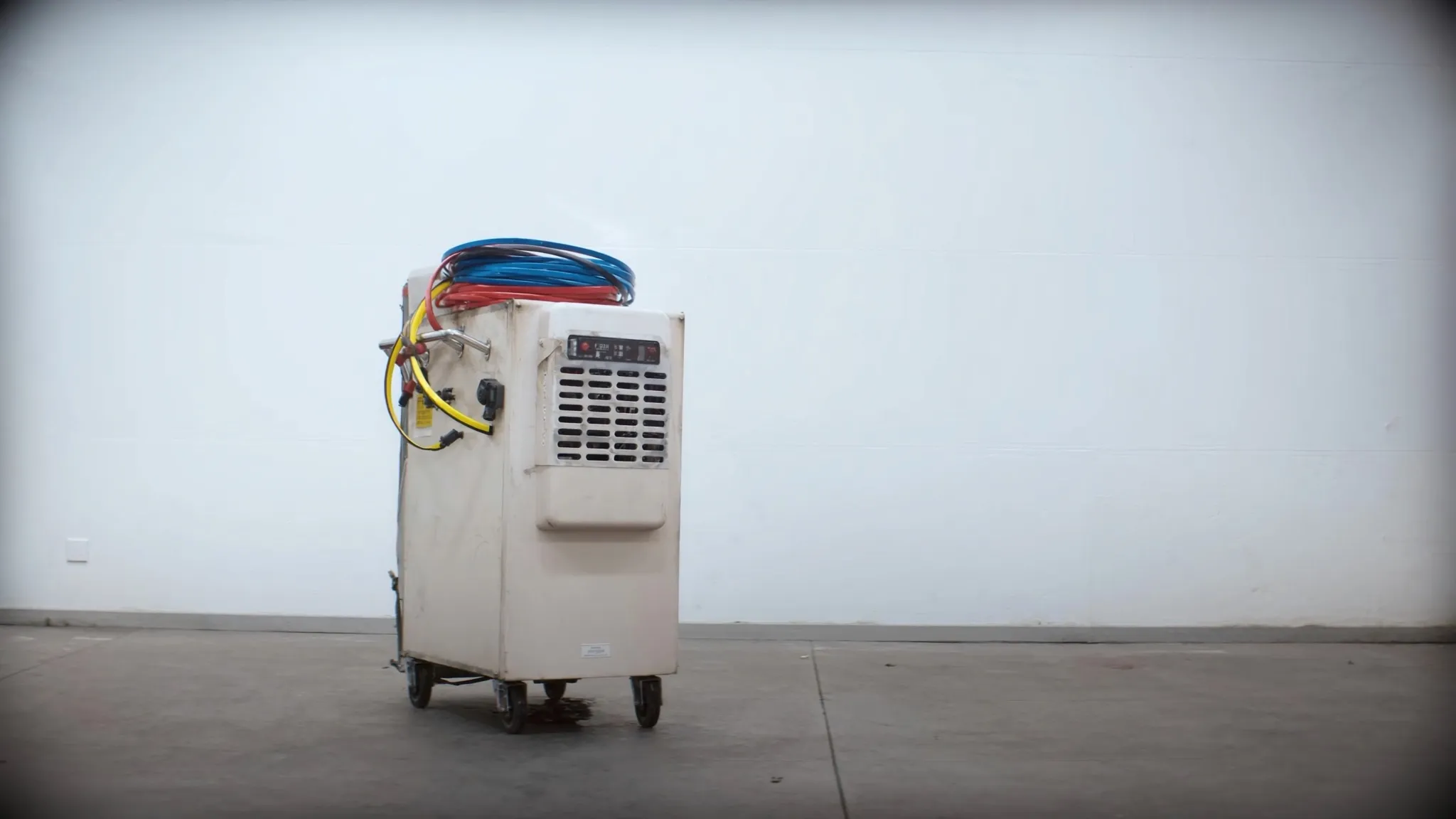
The shop owner reading this in late May 2026 is two or three weeks from the front end of A/C season, and the calculus on the older R-134a-only service machine has shifted. The regulatory deadlines under the 2026 phasedown timeline are real but staggered; the more immediate pressure is operational. The newer A2L-system vehicles rolling into the bay — most of them on R-1234yf, which has been the predominant automotive A2L refrigerant for several model years now — cannot be safely or correctly serviced on a machine that was specified before the A2L category mattered. A shop with only an R-134a unit is, in practical terms, turning that work away or sending it down the road to a competitor who already made the equipment call.
The next service wave is the deadline that actually bites. The EPA SNAP-track schedule sets the regulatory floor; summer demand sets the cash-flow floor. Most shops are making the equipment decision against the second one.
What an A2L machine actually is
The category name covers a specific functional spec, not a single product. An A2L-rated A/C service machine performs the same core jobs as the R-134a-era equipment — refrigerant recovery, recycling, evacuation, leak detection, and charging — but with the safety architecture required to handle mildly flammable refrigerants. That architecture is the reason the price moved.
The practical differences from a pre-A2L unit:
- Ventilation and spark control. A2L-rated machines run sealed internal components, brushless or otherwise spark-suppressed motors, and forced ventilation that meets the SAE standards for A2L service equipment. A 2018-vintage R-134a machine does not.
- Leak detection and gas sensing. Built-in refrigerant sensors that detect a leak inside the machine and shut down the charging cycle. This is not optional on A2L-rated units.
- Dual-refrigerant capability on some units. A meaningful share of the 2026 A2L-rated machines on the market are dual-gas units that handle both R-134a and R-1234yf from a single chassis with separate internal circuits. Single-gas A2L-only units exist and price lower, but the dual-gas spec is what most general repair shops actually want, because the fleet still in service is mixed and will be mixed for years.
- Updated hose, fitting, and identification hardware. Color-coded service couplers specific to the A2L side, refrigerant identifiers that confirm the gas in the system before recovery starts, and updated calibration intervals.
None of this is exotic. It is, however, what pushes a machine that used to be a $2,500 line item into the $4,500–$8,000 range.
The 2026 cost menu
Three tiers describe most of what is actually on shop floors this year:
- $4,500 entry. Single-gas A2L unit, R-1234yf only. Recovery, recycling, charging, basic leak detection. Fits a shop that already has a serviceable R-134a machine and just needs the second unit for the A2L work. Lower scale display resolution, slower recovery cycle, smaller internal tank.
- $6,000 mid. Dual-gas A2L and R-134a from one chassis. Faster recovery, larger tank, integrated refrigerant identifier, printer for service documentation. This is the volume tier — what most general repair shops are landing on when they only want to own one A/C machine and have it cover everything in the bay.
- $8,000 full-feature. Dual-gas, with database-driven vehicle lookups for charge specifications, advanced leak detection (often electronic plus integrated nitrogen pressure testing), automated oil and dye injection, and connectivity for service record export. The features pay for themselves in shops doing heavy A/C volume — typically anything north of 8–10 A/C jobs a week in season — and don’t in shops doing less.
The $4,500 number is real and the $8,000 number is real. The decision is which tier matches the bay’s actual A/C throughput, not which one looks best in the brochure.
Financing structure: own vs. lease against a regulatory timeline
The standard rule for A/C equipment used to be straightforward: buy it, depreciate it, run it for a decade. The A2L transition complicates that because the regulatory direction is still moving. The 2026 phasedown timeline is one step in a longer EPA SNAP-track sequence, and another step toward lower-GWP blends is on the horizon — though not on a published deadline that any shop should plan capex around without verifying it with their own regulatory counsel.
That uncertainty changes the own-vs-lease math in a specific way.
Lease wins if you believe the next phasedown step is within five years. A 36- or 48-month equipment leasing program structured for shop-floor capex keeps the residual risk on the lessor. If a 2028 or 2029 regulatory step makes the current A2L spec obsolete on new vehicles, the lease ends and you spec the next unit against the rules in force at that point. The monthly payment is higher than a loan on a 5-year basis, but the optionality is worth it when the regulatory direction is still moving.
Own wins if you believe A2L is the long-term plateau. If the SAE standard for A2L service equipment is the spec the industry settles on for the next decade — which is a defensible read — then a financed purchase at the 7–14% range typical of shop-specialty equipment financing in 2026 amortizes cleanly across the useful life. The US prime rate sat at 6.75% as of the December 11, 2025 cut, and equipment financing for credit-clean shops is pricing toward the lower end of that 7–14% band on titled or serial-numbered assets. A $6,000 mid-tier machine financed at 60 months at the middle of that range runs around $130–$140 a month. That is not a number that should drive the decision either way; the depreciation and obsolescence reads should.
Shops doing collision or high-volume A/C-specialist work that already turn equipment over fast lease more often. General repair shops that hold equipment for the full useful life finance and own more often. Both answers are defensible. The wrong answer is paying for the machine out of a working capital line at 18–22% APR because the equipment-product conversation never happened.
Practical timing against summer demand
The sequencing question is the one most owners get wrong. The order is:
- Decide tier first, against actual A/C job volume from the last two summers. Not the brochure spec.
- Get the financing application in before the equipment order. Equipment lenders close in days when the package is clean; the delay is almost always on the applicant side. The pillar checklist — bank statements, AR aging, equipment quote, two years of returns, current licenses — applies here unchanged.
- Take delivery with at least two weeks of bench time before the first real A/C wave hits. The machine needs to be set up, the technicians need to run a few jobs on it before the day they need to run twelve, and the refrigerant supply needs to be stocked.
A shop ordering the machine the week the first heat wave hits is paying for expedited shipping, paying for overtime to learn the new equipment under pressure, and turning work away while the unit is in transit. That sequence is avoidable, and the difference between avoiding it and not avoiding it is roughly four weeks of advance planning.
Bottom line
The A2L machine is a real 2026 capex line, not a deferrable one. The $4,500–$8,000 spread is wide enough that picking the right tier matters more than picking the right brand. Financing or leasing the unit at the going equipment rates is cheaper than running the work on the wrong machine, sending customers down the road, or putting the purchase on a working capital line at twice the APR. The shop owners handling this well are the ones who made the decision in May. The ones still deciding in July are the ones paying the premium.